 Spring Core
Broken Torsion Spring Replacement
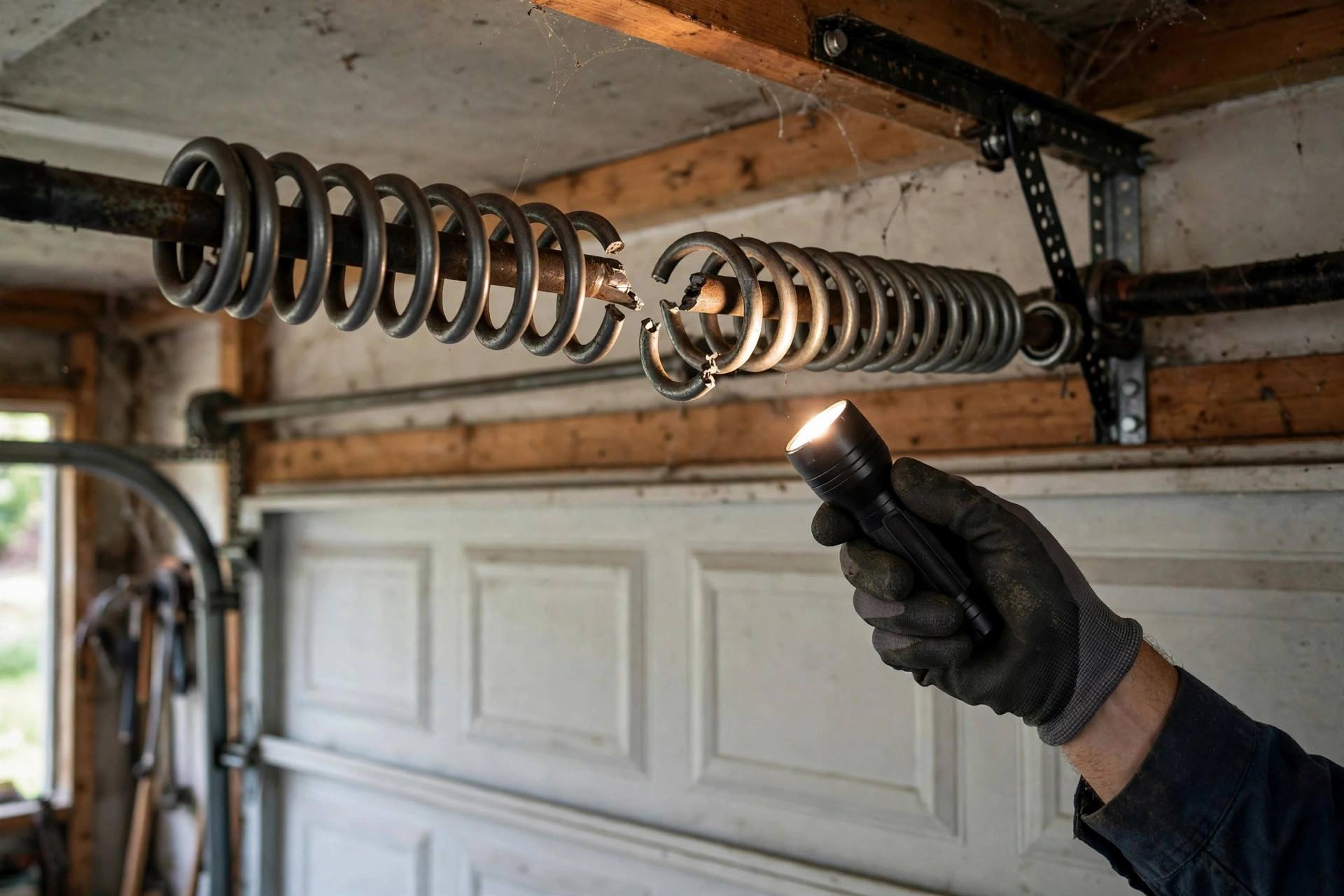
A snapped coil above the door, a heavy door, and the matching measurements that decide the replacement.
Read more →
A broken spring makes a door heavy, crooked or stuck. Learn how it is recognised, measured, matched and balanced, and find help by ZIP code across 19 states.
A garage door that suddenly feels heavy, lifts crookedly, or will not move at all is usually a spring problem, not an opener problem. The first step is to stop running the opener on a heavy, crooked or jammed door, and to find out whether the spring, the cable, the track or the opener is at fault.
This site starts with the spring: how a broken torsion or extension spring is recognised, how a replacement is measured and matched, and how balance is tested before the opener is reconnected. General garage door services and guides sit alongside the spring pages, because opener, cable and track faults share the same symptoms and must be separated before any part is replaced.
Spring CoreA snapped coil above the door, a heavy door, and the matching measurements that decide the replacement.
Read more →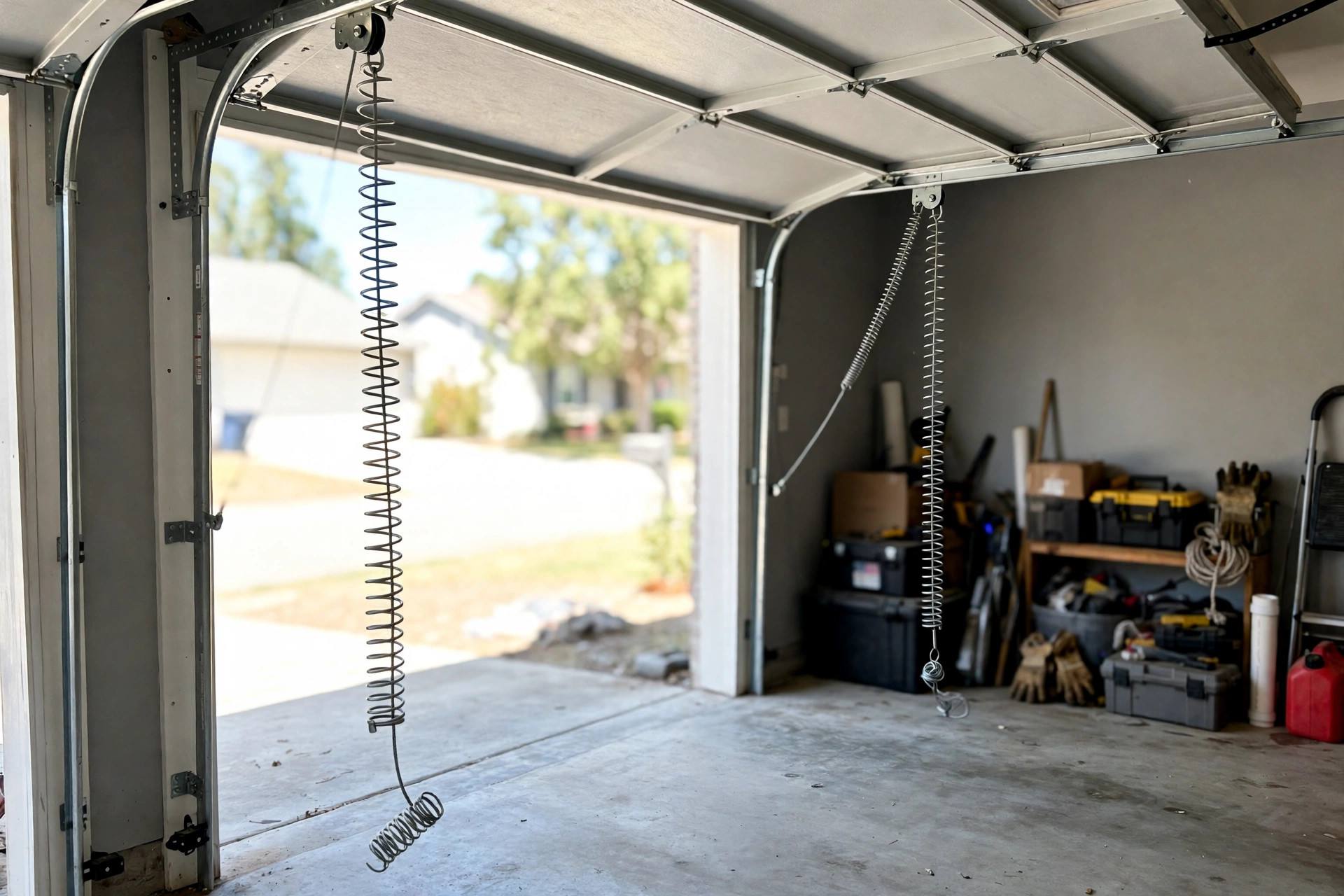 Spring Core
Springs along the tracks, safety cables, and why the pair must match each other.
Read more →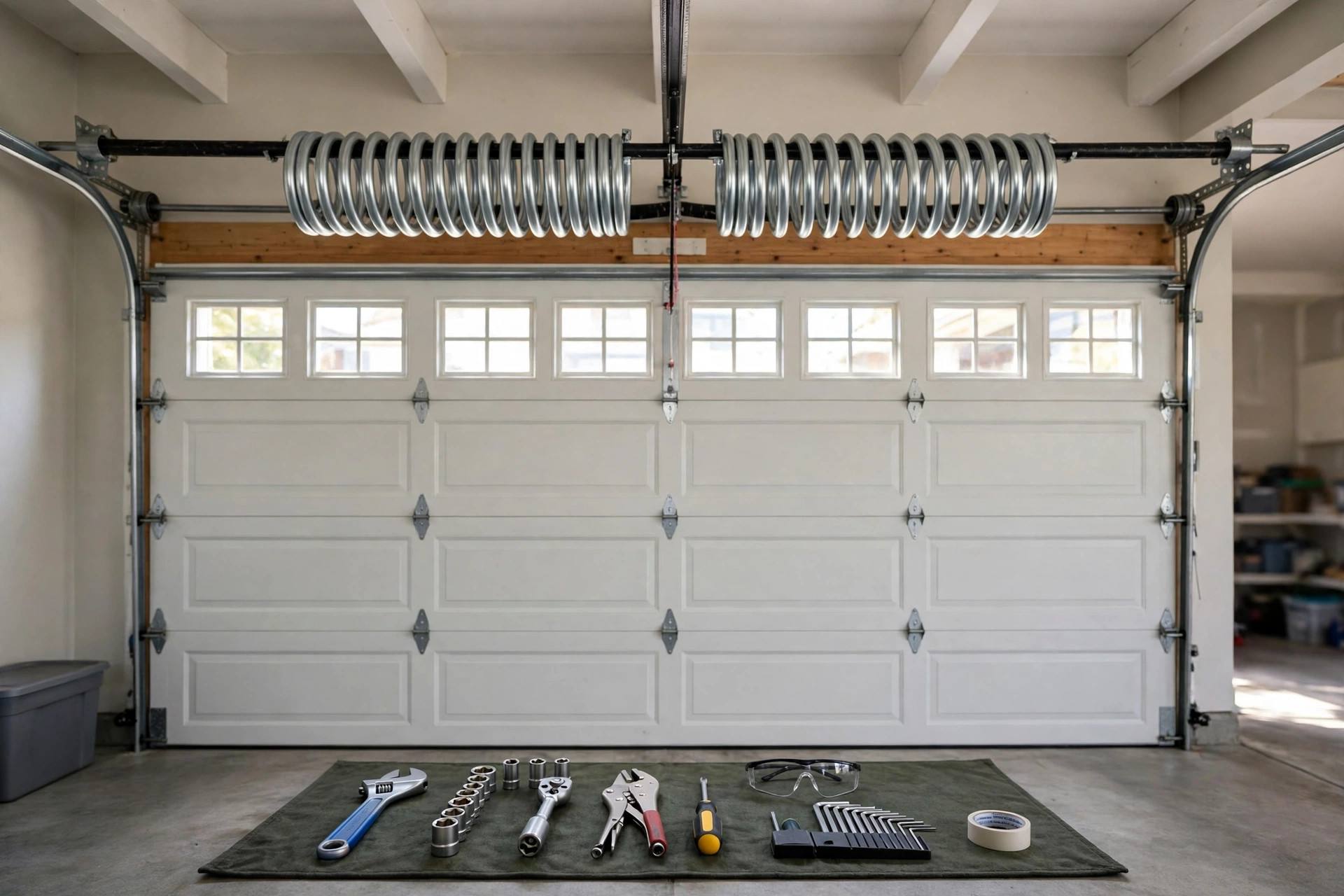 Spring Core
Both springs share the same cycles, so a pair keeps the door lifting evenly from both sides.
Read more →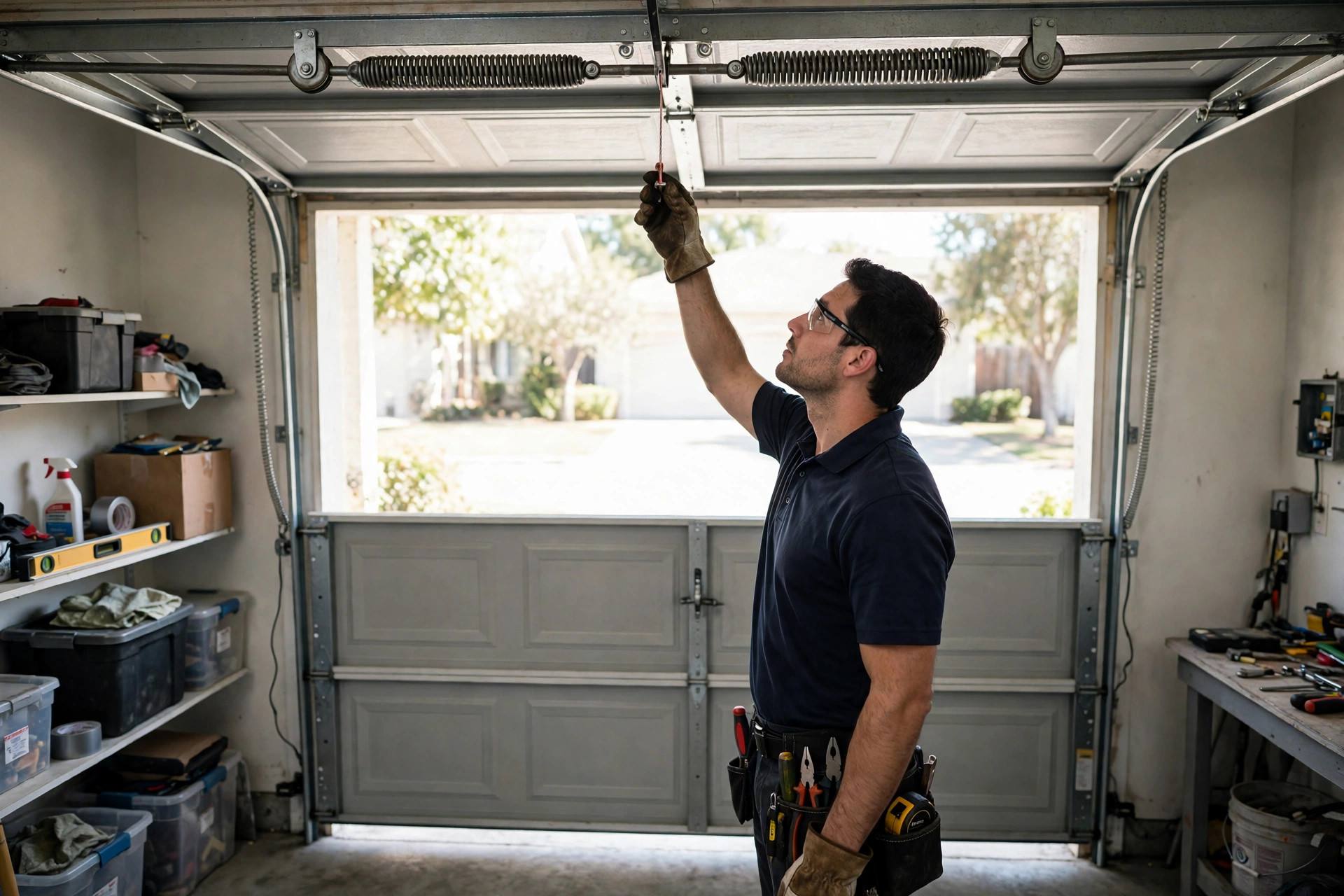 Spring Core
Drift, slam and creep are tension problems first, and the balance test proves it in seconds.
Read more →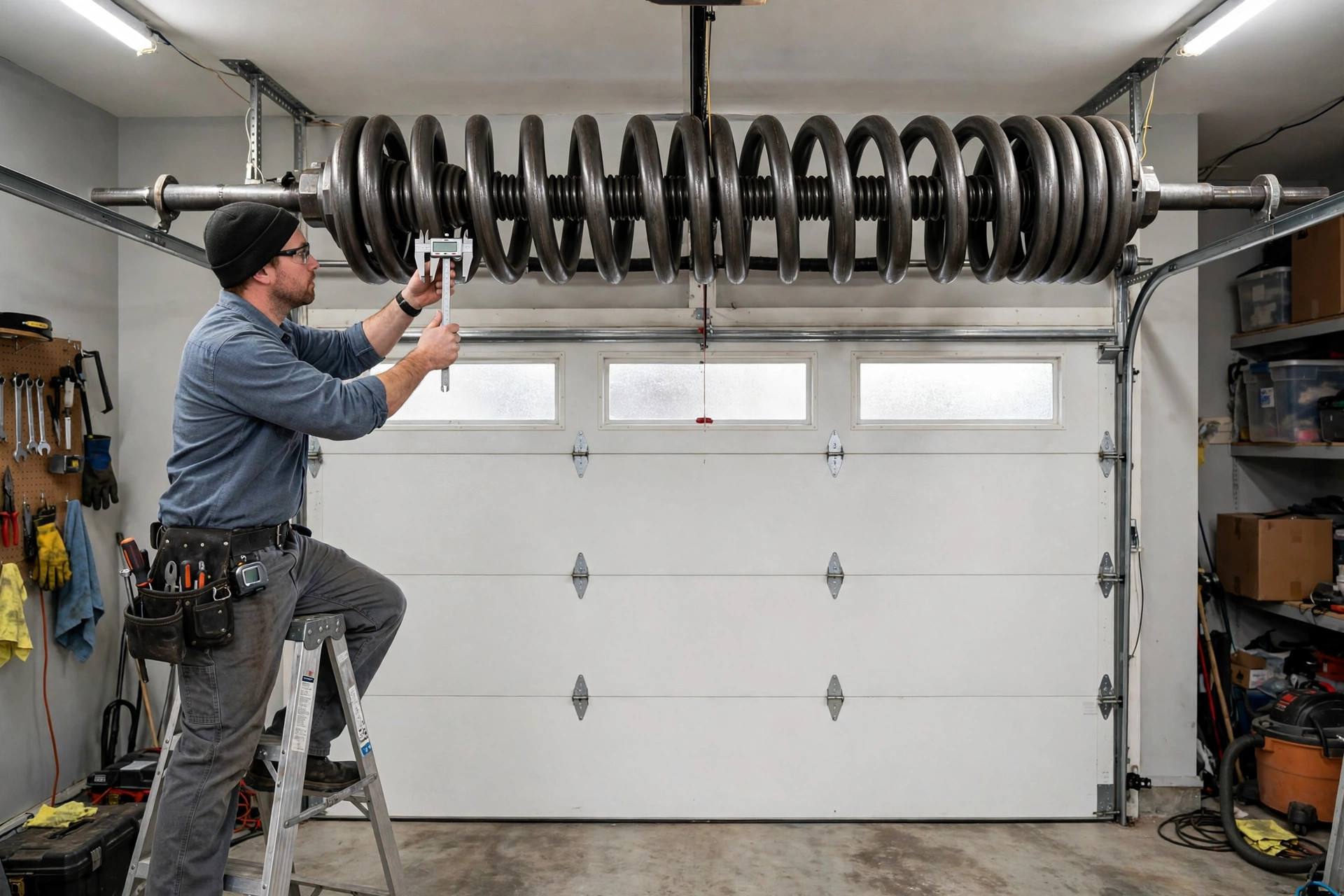 Spring Core
Cycle ratings explained as counts of use, and who actually benefits from a longer-rated spring.
Read more →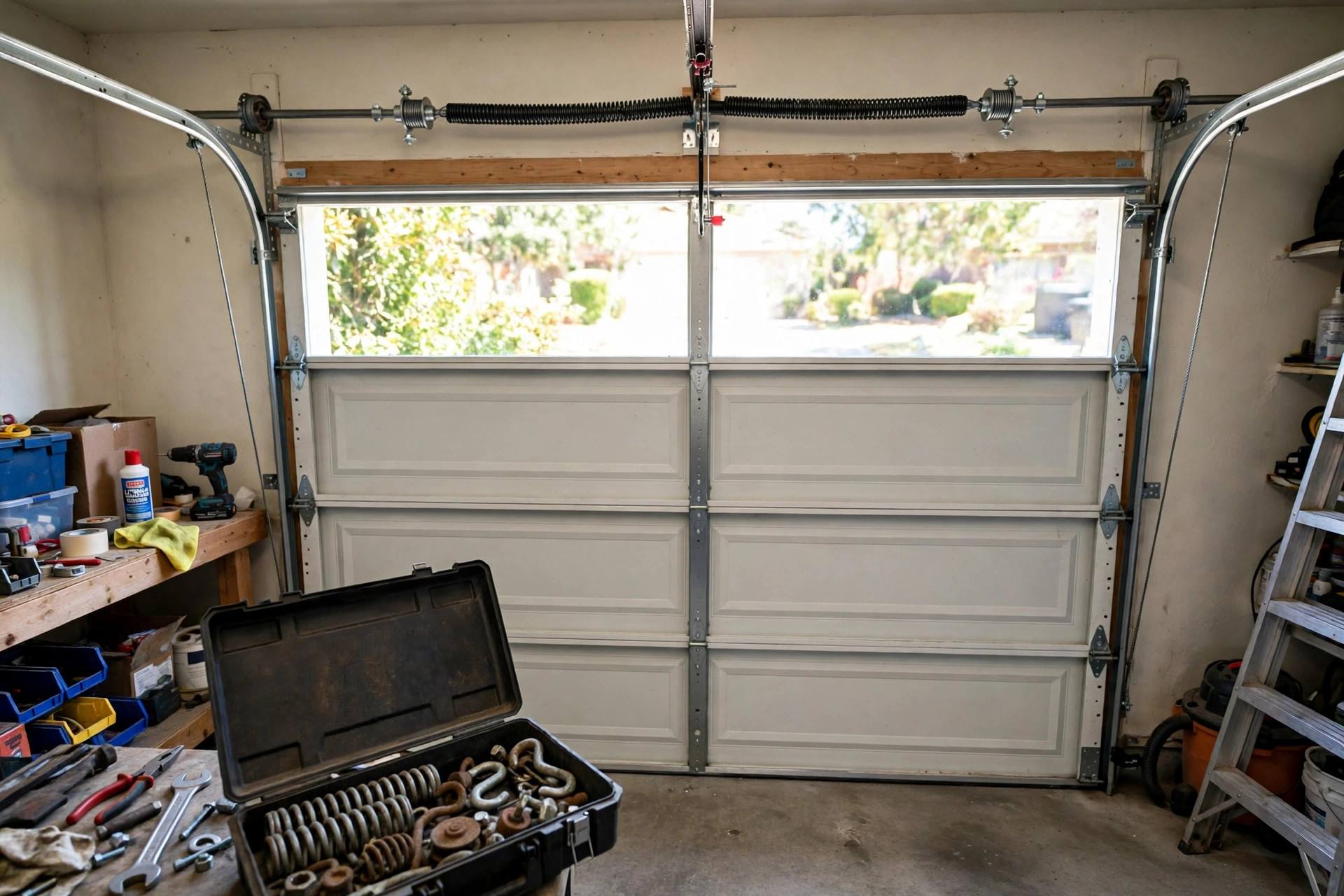 Spring Core
From track springs to a centre shaft: what changes, what headroom is needed, and when it pays.
Read more →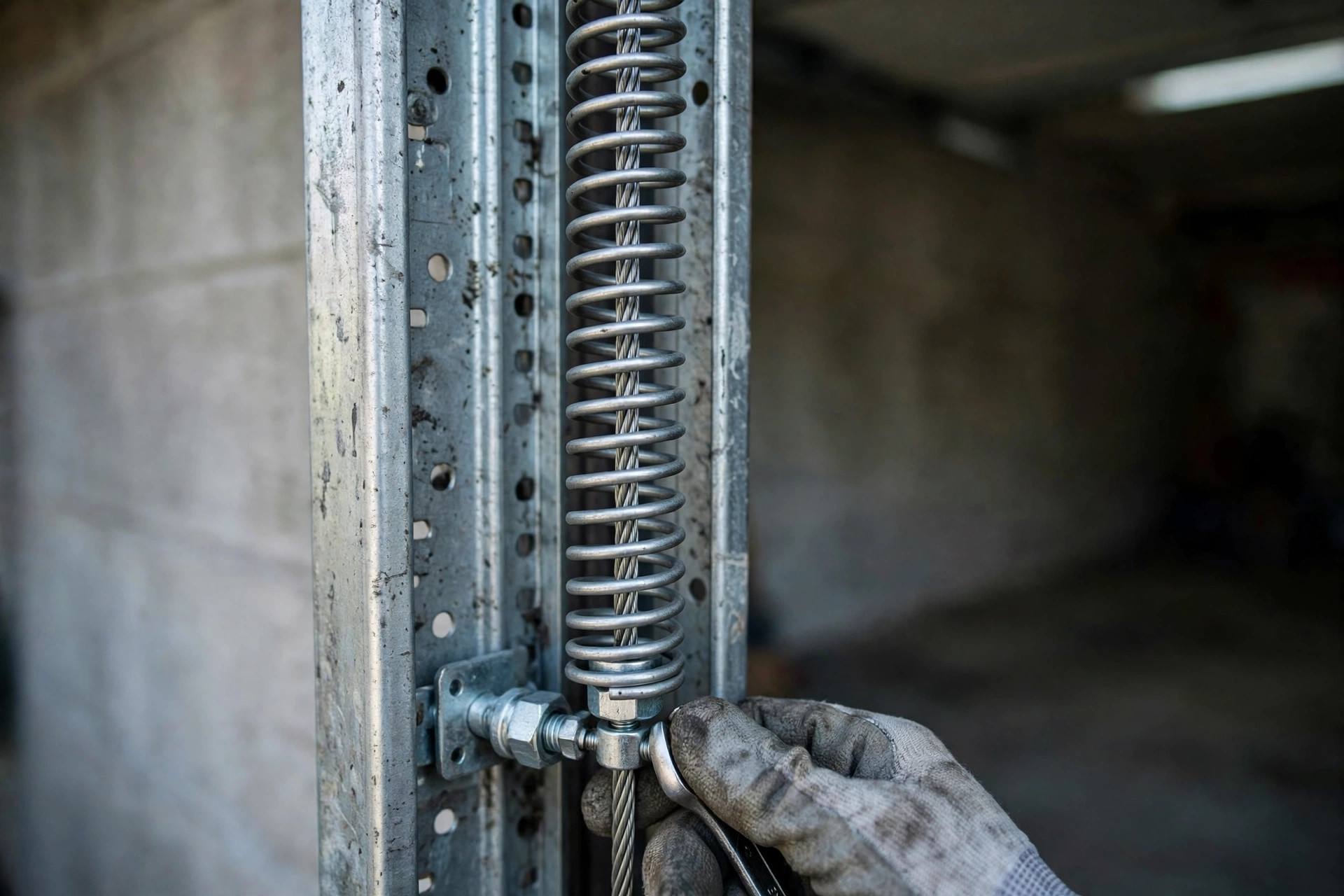 Spring Core
Containment cables that keep a breaking spring from travelling across the garage.
Read more →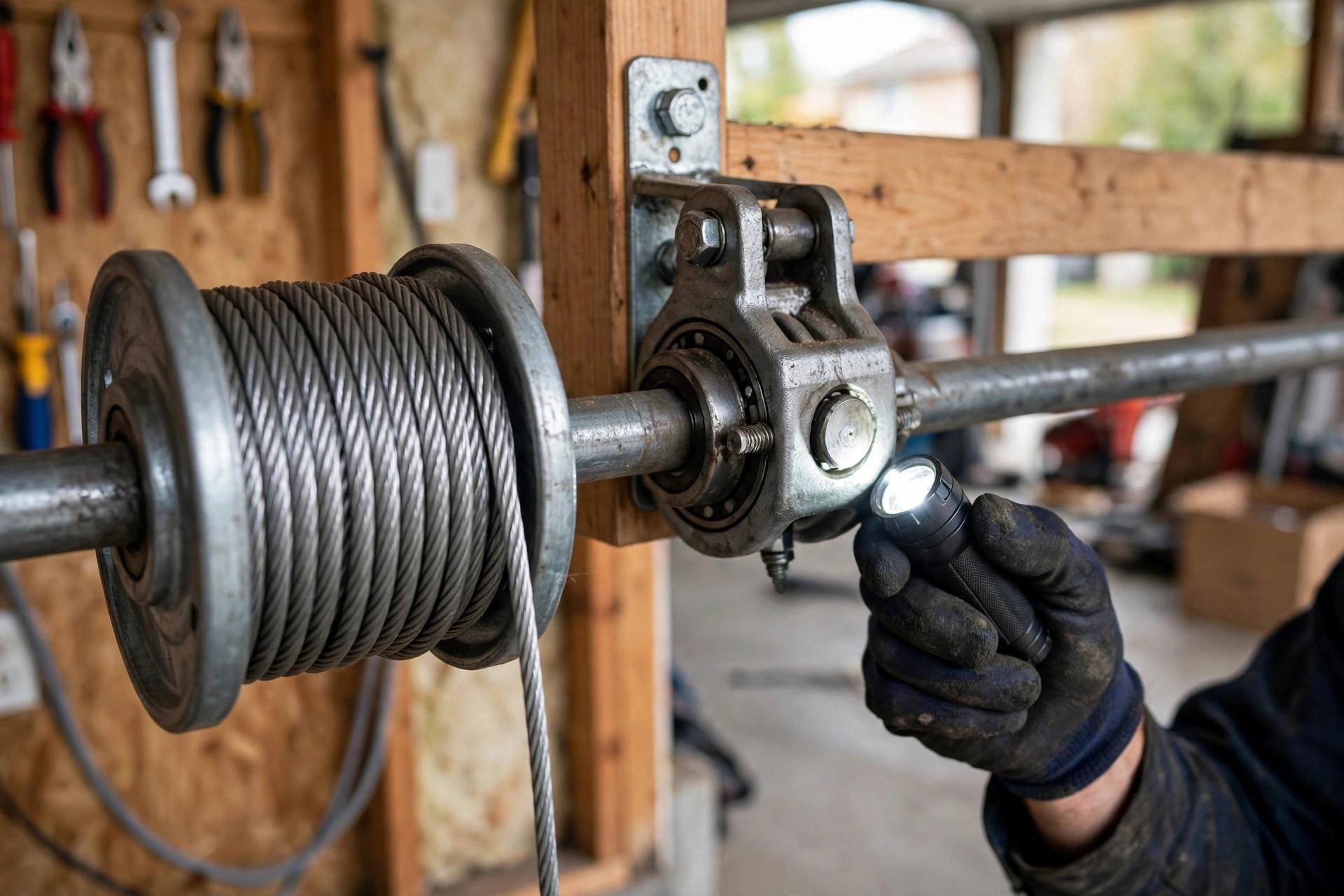 Spring Core
The drums, cables and bearings a new spring inherits, checked while the shaft is already open.
Read more →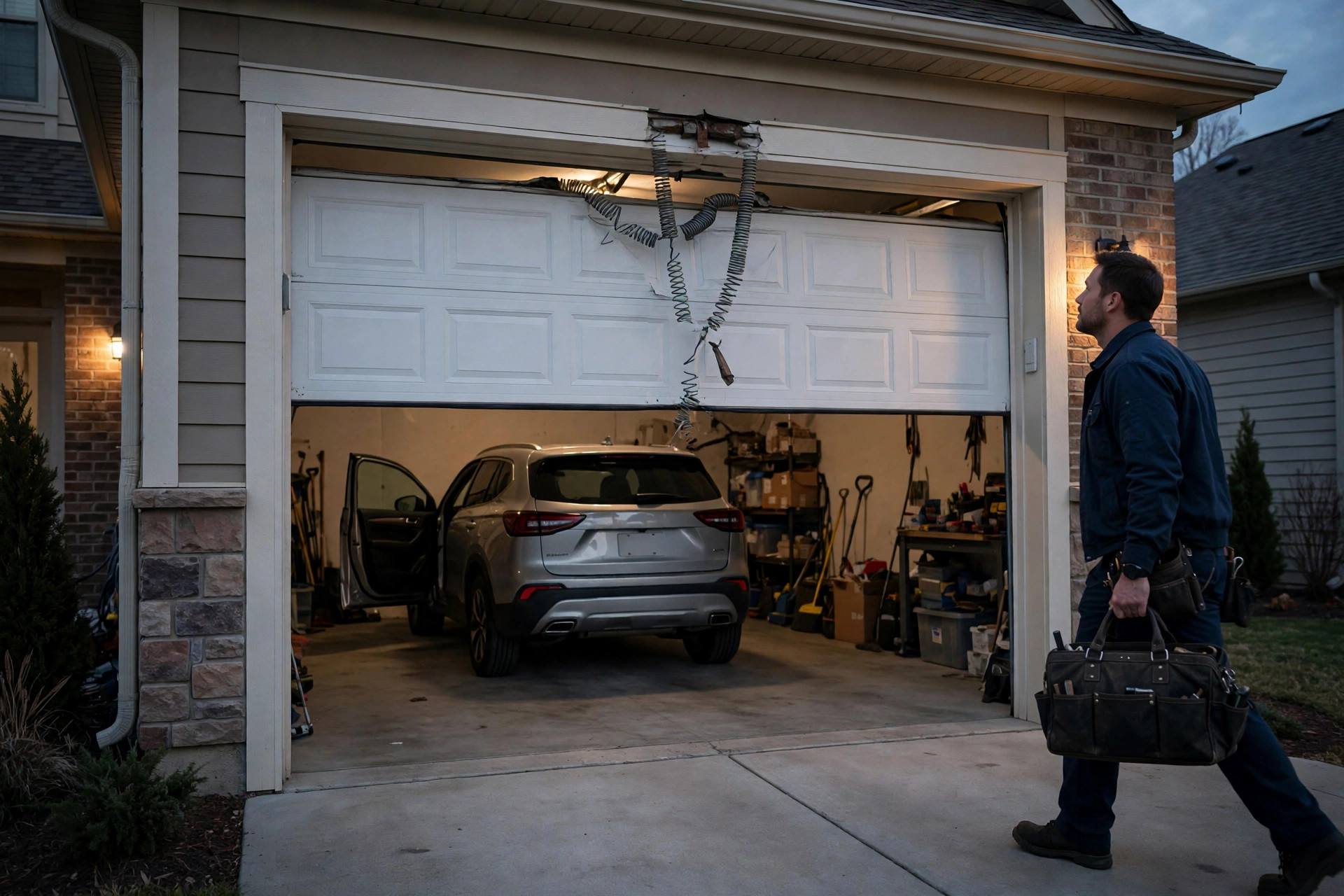 Spring Core
Stuck closed and stuck open are different emergencies, with different first steps.
Read more →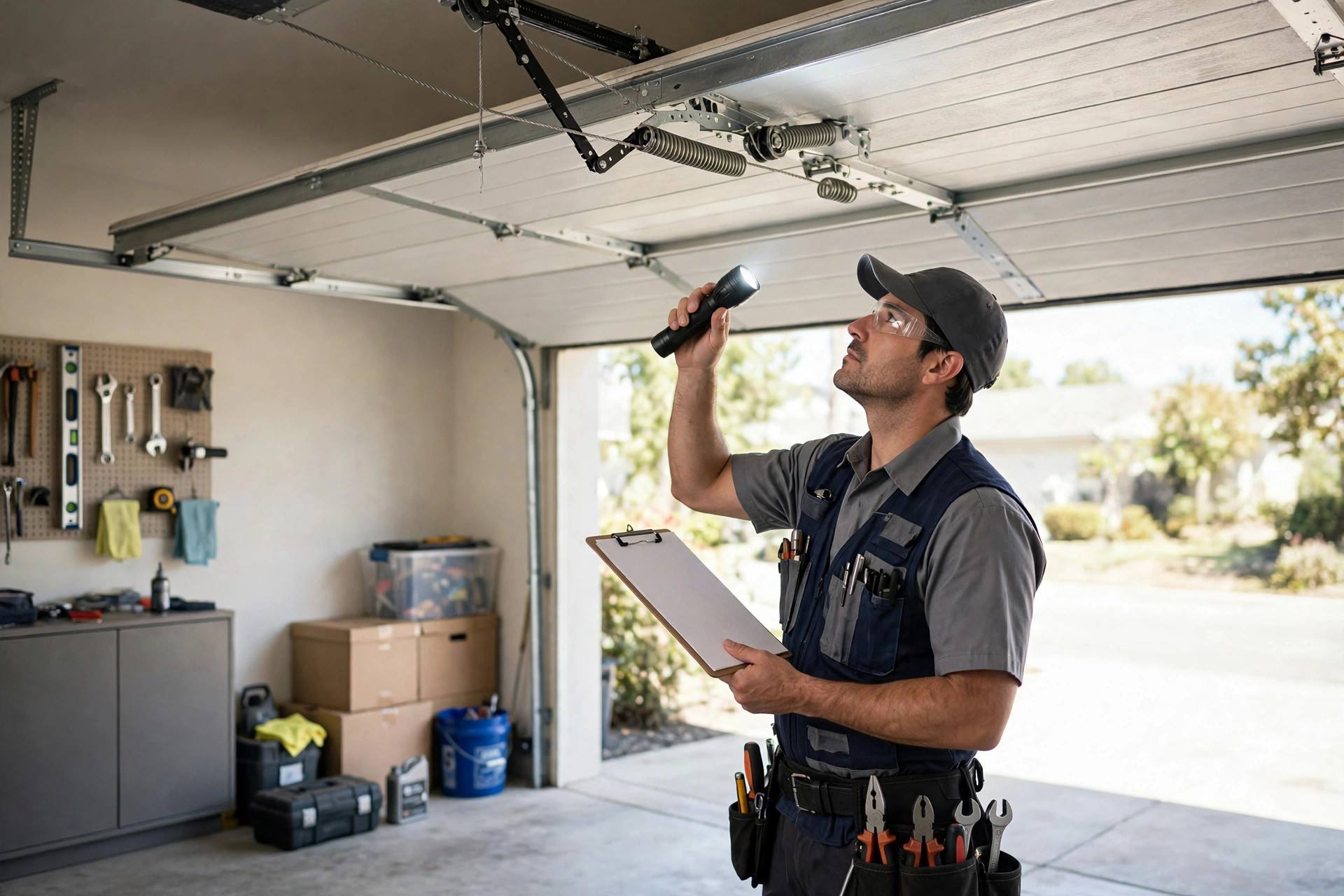 Spring Core
A planned check that finds fatigue, fraying and wear before they become a stuck door.
Read more →Separate the opener fault from the spring fault first, or the wrong part gets replaced.
Read more →Gear, board, sensor, remote and keypad tested in turn, so only the failed part is replaced.
Read more →The door's moving joints, inspected as a run rather than one part at a time.
Read more →A jammed, crooked door secured first, cause found second, track fixed third.
Read more →Per-spring, per-pair and total-job figures are not comparable, and this guide shows why.
Read more →Shaft above the door or springs along the tracks: identify your system in seconds.
Read more →Wire size, inside diameter, length and wind direction, and why a near miss will not balance.
Read more →Bang, heaviness, crookedness, reversing or drift, each matched to its most likely cause.
Read more →The homeowner checks that are safe, and the tension work that must never be done at home.
Read more →This preview now covers 2,383 qualifying ZIP pages across 19 states, each ZIP on its own page with its own local detail and FAQ, starting from the Massachusetts pilot of the first batch and extended state by state in ZIP order.
A loud bang, a visible gap in the coil above the door, or a door that suddenly feels far heavier than normal points to a broken spring in your garage. Stop using the opener and check the spring state before anything else.
No. Running the opener against a broken or unbalanced spring strains its gear and rail and can bend a track or snap a cable. Disconnect the opener and leave the door where it is.
One individual ZIP code, with its own local detail, primary problem, process and FAQ. A city with several ZIPs gets several ZIP pages, not one city page with a list of ZIPs.